An orthodontist is a dental specialist who focuses on straightening teeth and correcting how your jaws fit together. While your general dentist handles cleanings, fillings, and overall oral health, an orthodontist completes two to three additional years of residency training specifically in tooth movement and bite alignment. If you’re looking for an orthodontist in Lexington, MA, knowing what sets this specialty apart can help you make a confident decision for your family.
This extra education matters. Board-certified orthodontists learn advanced techniques for guiding teeth into proper position and addressing jaw discrepancies that affect how you chew, speak, and breathe. Airway orthodontics has become an increasingly important focus area, with many practices now looking at how tooth and jaw alignment impacts breathing patterns.
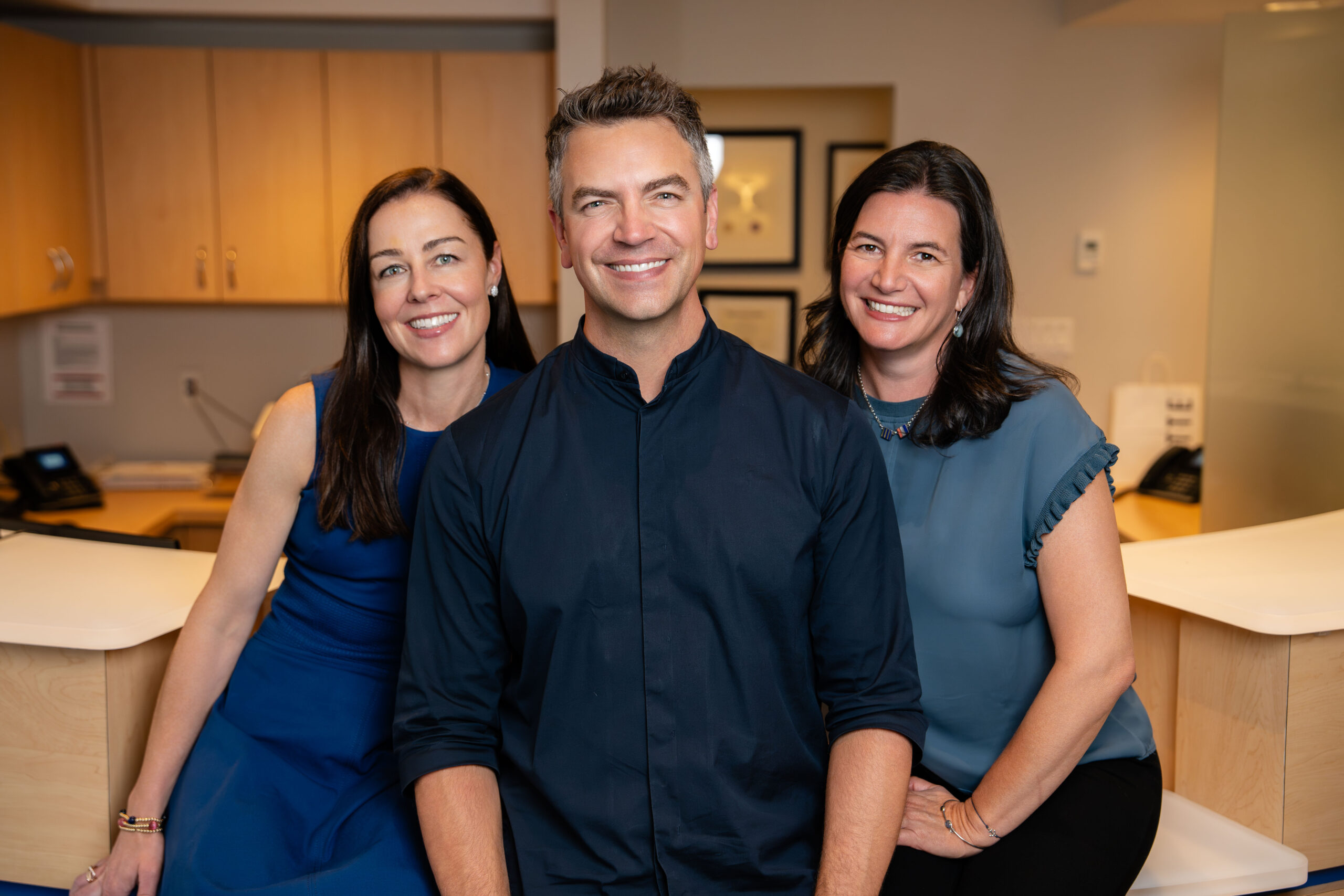
Families who want privately owned specialty care, where you can build a real relationship with your orthodontist over the course of treatment, will find that at coppe + sears in Lexington, MA. Unlike corporate dental chains, this practice combines pediatric dentistry and orthodontics under one roof, making it easier to coordinate care for kids of all ages. Board-certified orthodontists Dr. Chad Sears and Dr. Callan Donovan work alongside a team of pediatric dentists, including Dr. Michael R. Coppe, Dr. Carolyn Coppe, Dr. Kathleen McCafferty, Dr. Allie Penta, and Dr. Jordan Sutherland, to provide connected, whole-family care.
How Treatment Works: From Consultation to Final Results
Treatment typically follows four stages: an initial free ortho consult with digital scans, a custom treatment plan, active treatment with braces or aligners lasting 6 to 24 months, and a retention phase with retainers to maintain results. Here’s what each stage looks like.
What Happens at Your Free Ortho Consult?
Everything starts with a thorough orthodontic checkup. The orthodontist takes digital scans, X-rays, and photos to assess your teeth, jaw, and bite. Don’t worry, no goopy, gaggy impressions. Digital imaging provides precise measurements while keeping you comfortable. This first visit also gives you a chance to meet the team and ask any questions before moving forward.
How Is Your Custom Treatment Plan Created?
Based on your diagnostic records, your orthodontist creates a plan built around your specific needs. You’ll learn which appliances are recommended, how long treatment should take, and what results to expect.
What Does Active Treatment Look Like?
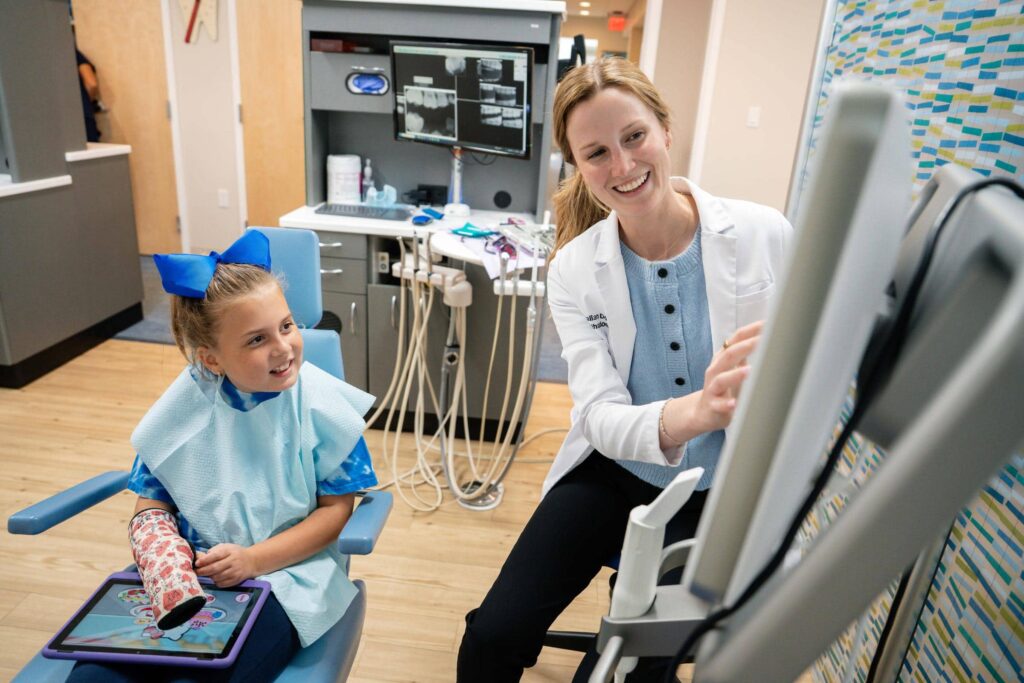
Once you’re ready, your braces or aligners are placed. Visits happen regularly for adjustments, typically every four to eight weeks. Each check-in keeps things on track and gives your orthodontist a chance to monitor progress. Most families find that visits are quick, and kids settle into the routine after the first couple of trips. The active phase is where the real changes happen, and it’s often more comfortable than families expect.
Why Does the Retention Phase Matter?
When active treatment ends, retention begins. Retainers hold your teeth in their new positions while the bone and tissue stabilize. Skipping this phase is one of the most common reasons teeth shift back.
Your orthodontist will recommend either a fixed or removable retainer depending on your case. Regular follow-up visits help confirm everything stays in place, and this phase is just as important as the active treatment itself.
Treatment timelines vary based on complexity. Simple cases might wrap up in six months, while more involved corrections can take 24 months or longer. Your orthodontist will give you a realistic estimate during your free ortho consult.
Key Benefits of Seeing an Orthodontist
Straightening your teeth affects more than how your smile looks. The benefits reach into your oral health, your daily comfort, and how you feel showing up in the world.
How Does Straighter Teeth Improve Oral Health?
Straight teeth are easier to brush and floss effectively. When teeth overlap or crowd together, plaque builds up in hard-to-reach spots, and even the most diligent brushing can miss those areas. Proper alignment reduces your risk of cavities and gum disease over time.
Does Straightening Your Teeth Really Boost Confidence?
Whether you’re a teen heading to high school or an adult in a professional setting, feeling good about your smile affects how you present yourself. Many families report feeling more comfortable smiling in photos and speaking up in meetings after treatment.
Can Orthodontics Reduce Jaw Pain and Headaches?
Bite problems can strain your jaw muscles and joints. Correcting an overbite, underbite, or crossbite often relieves chronic discomfort that you didn’t even realize was connected to your teeth. Some families come in for cosmetic reasons and discover that fixing their bite also resolves headaches they’d been living with for years.
What Discreet Options Exist for Adults?
Modern orthodontics includes Invisalign and other clear aligner systems that fit into busy professional lives. You can straighten your teeth without metal brackets if that’s important to you.
Why Should Kids See an Orthodontist Early?
According to the American Association of Orthodontists, kids should have their first orthodontic checkup by age seven. Identifying issues early can make treatment easier and less costly, allowing small corrections now to prevent bigger challenges later. The AAO reports that roughly 1 in 4 orthodontic patients today is an adult, but early screening for kids remains one of the best ways to catch developing problems.
Families at coppe + sears experience these benefits firsthand, with pediatric dentistry and orthodontics working together in the same Lexington, MA practice.
Metal Braces vs. Invisalign: Comparing Your Options in Lexington
Choosing between treatment options comes down on your specific needs, lifestyle, and goals. Here’s a quick comparison of the most common approaches:
| Treatment Type | Best For | Key Features | Typical Timeline |
|---|---|---|---|
| Metal Braces | Complex cases, severe crowding, significant bite issues | Most versatile; brackets and wires provide precise control | 12-24+ months |
| Invisalign | Mild to moderate alignment issues | Removable clear trays; nearly invisible; no food restrictions | 6-18 months |
| Minor Tooth Movement | Limited relapse, small shifts | Short-term treatment for specific adjustments | 3-6 months |
Metal Braces
Metal braces are still the most versatile option for complex cases. Today’s metal braces are smaller, lighter, and more comfortable than previous generations. They’re highly effective for rotating teeth, closing large gaps, and correcting significant bite problems.
Invisalign
Invisalign gives you a comfortable and flexible option. Since the trays are clear, they remain barely noticeable during treatment. You can also remove the trays to eat, brush, and floss as you usually do. Invisalign works well for many cases, though complex issues may still require metal braces.
Minor Tooth Movement Therapy
Minor tooth movement therapy addresses limited concerns, like a single tooth that has shifted or minor relapse after a previous round of braces or aligners.
For severe skeletal discrepancies, your orthodontist may recommend jaw correction alongside braces or aligners. At coppe + sears in Lexington, MA, a qualified orthodontist will review your diagnostic records and recommend the approach that gives you the best results.
How Much Does Treatment Cost?
Treatment costs vary based on the type of appliance, case complexity, and how long you’ll be in active treatment. While exact pricing requires an orthodontic checkup, here’s what influences cost and how families in Lexington, MA typically plan for it.
Metal braces and Invisalign fall into similar price ranges, though complex cases requiring longer treatment will cost more than straightforward corrections. A mild crowding case might need 12 months of treatment, while a severe bite issue could require 24 months or more. Longer treatment generally means a higher overall investment.
Specialized brackets, clear aligners, or additional appliances like expanders also add to the total. Many practices, including coppe + sears, offer monthly payment plans that spread the cost over the course of treatment. Online bill payment makes managing your account convenient, too.
Check your orthodontic benefits separately from your dental coverage. They’re often listed under different sections of your plan, and some policies cover a lifetime maximum for orthodontic care. It’s also worth asking your employer’s HR team whether your plan includes orthodontic benefits, since this information isn’t always obvious on your insurance card.
The best way to understand your investment is scheduling a free ortho consult. You’ll receive a treatment plan with clear pricing before making any decisions.
Who Is a Good Candidate for Treatment?
You might picture a teenager with braces when you think of orthodontics. The reality is much broader than that, and no matter your age, you can benefit from a healthier, straighter smile.
When Should Kids Have Their First Orthodontic Checkup?
The American Association of Orthodontists recommends an orthodontic checkup by age seven. At this age, your kid’s growing jaw and first permanent teeth offer a useful snapshot of how their smile is taking shape. Phase 1 can address developing problems before they become more serious.
What About Teens and Adults?
Teens remain the most common group for treatment. Phase 2 usually starts around ages 11 to 14, when most adult teeth are in place, and the jaw is still growing. More adults are seeking treatment than ever before, whether they missed braces as kids or are dealing with shifting that happened over time.
Common concerns that benefit from treatment include crowded or overlapping teeth, gaps between teeth, overbite, underbite, or crossbite, and teeth that don’t meet properly when you bite down. Kids with special needs may require specialized care and experienced providers who understand their unique requirements. Board-certified pediatric dentists and orthodontists who work together can coordinate that care effectively.
Good oral health is essential before starting braces or aligners. Any cavities or gum disease should be addressed first, which is another reason having pediatric dentistry and orthodontics in one practice simplifies care for families. At coppe + sears, families in Lexington and surrounding communities can schedule orthodontic checkups for kids, teens, and adults alike.
Frequently Asked Questions About Orthodontists in Lexington, MA
How Do I Find the Right Orthodontist?
Look for board certification, which confirms the orthodontist completed accredited specialty training. A free ortho consult lets you meet the team, tour the practice, and ask questions before committing. Pay attention to whether the practice explains your options clearly and whether the team makes you and your kids feel at ease. At coppe + sears in Lexington, MA, free ortho consults give families a chance to see the practice and meet the doctors before starting.
How Long Does Treatment Take?
Most cases take 12 to 24 months. Simpler corrections may finish sooner, and complex cases may take longer. Your orthodontist will provide a realistic timeline based on your diagnostic records during your free ortho consult.
Is Invisalign as Effective as Braces?
For many cases, yes. Invisalign treats mild to moderate crowding, spacing, and bite issues effectively. Complex problems involving significant tooth rotation or severe bite discrepancies may get better results with metal braces.
Do Orthodontists Offer Payment Plans?
Most practices offer monthly financing options that make treatment accessible for families. Many also accept dental insurance with orthodontic benefits. Ask about payment options during your free ortho consult so you understand the full picture.
At What Age Should My Kid First See an Orthodontist?
Age seven is the recommendation from the American Association of Orthodontists. That doesn’t mean treatment starts right away. It simply allows the orthodontist to monitor development and step in at the right time if needed.